The Chang'e cosplay is one of the most ambitious projects within the Honor of Kings universe. The character, especially in her Refusa de Geada (Frost Refusal) cosplay skin, requires a precise fusion of textile engineering and accessory design. The central challenge lies in balancing the delicacy of ethereal cosplay fabrics with the rigidity needed to maintain the supernatural silhouette, creating the iconic floating cosplay effect that defines the lunar deity's aesthetic.
This guide focuses on transforming meters of lightweight fabric into a functional optical illusion, utilizing advanced support and dyeing techniques.
Project scope: Planning and ambition
Before acquiring any material, it is fundamental to define the scope. Chang'e's look is not sustained by the cut alone; it depends on applied physics. If you seek absolute fidelity, consider that the volume of the floating cosplay sleeves adds significant weight to the shoulders.
- Volume and Yardage: For the "cloud" effect, you will need at least 6 meters of translucent fabric per sleeve. Less than this will result in "wilted" sleeves.
- Execution Deadline: Reserve at least 15-20 hours. The dyeing work and the assembly of the cosplay sleeve frame are processes that do not accept haste.
- Transport Restrictions: Remember that large structures are difficult to carry to events. Plan modular connections in your cosplay wire structure to ensure everything fits in a standard suitcase. Consult our guide on how to transport bulky cosplays.
Selection of Aesthetic and Structural Materials
The visual fidelity of Chang'e's Frost Refusal skin depends on the precise choice of materials that simulate lunar lightness without compromising the physical stability of the costume. Instead of focusing on cost, the cosplayer's priority should be the relationship between specific weight and structural rigidity.
- Covering Fabrics: Crystal organza and silk-touch chiffon are ideal for the outer layers due to their fluid drape and ability to retain the gradient dyeing. Voile, being slightly heavier, should be reserved for internal details or secondary structural linings.
- Support Elements: Anodized aluminum wire is the material of choice for the upper curves of the sleeves due to its malleability and resistance to oxidation. For the rear attachment base, thermoplastic sheets (like Worbla) or high-density EVA (150 kg/m³) provide the necessary anchoring to distribute the load across the back.
Safety Guidelines for Working with Structures and Dyeing
Creating aerial structures and handling dyeing chemicals requires rigorous preventive care to avoid accidents during the making and wearing of the cosplay.
- Protection against Punctures and Cuts: When cutting and bending aluminum or galvanized steel wire, wear safety goggles to avoid metallic shards and leather work gloves to protect hands against sharp ends. All exposed metallic ends must be sanded and sealed with hot glue, electrical tape, or heat-shrink tubing before being inserted into the fabric channels.
- Ventilation in the Dyeing Process: Reactive synthetic dyes and chemical fixatives release irritating vapors when heated. Always perform dyeing in outdoor or highly ventilated areas, using a respirator mask with a filter for organic vapors and nitrile gloves to avoid thermal burns and contact dermatitis.
- Ergonomics and Load Distribution: Structures that exert leverage on the shoulders can cause muscle injuries in the cervical region. Ensure that the support harness distributes weight evenly across the thoracic and lumbar spine through a reinforced nylon abdominal belt, avoiding pressure points concentrated on the clavicles.
Step-by-step: Structure construction and textile treatment
1. Modeling the frame: Drawing the skeleton
The cosplay wire structure must follow the natural curvature you desire for the sleeves. Use 2.5mm to 3mm aluminum wire (or #14 galvanized wire for greater rigidity). Bend it into an "S" or arch shape, according to the Frost Refusal skin reference. Use a full-scale template drawn on brown paper to ensure perfect symmetry between the left and right sides before fixing the final bends.
- Checkpoint: The frame must maintain the desired shape when held by just one end. If it bends under its own weight, reinforce the base with masking tape and secondary wire or bend the wire in a double spiral to increase resistance to bending.
2. Fabric treatment: Ethereal gradient
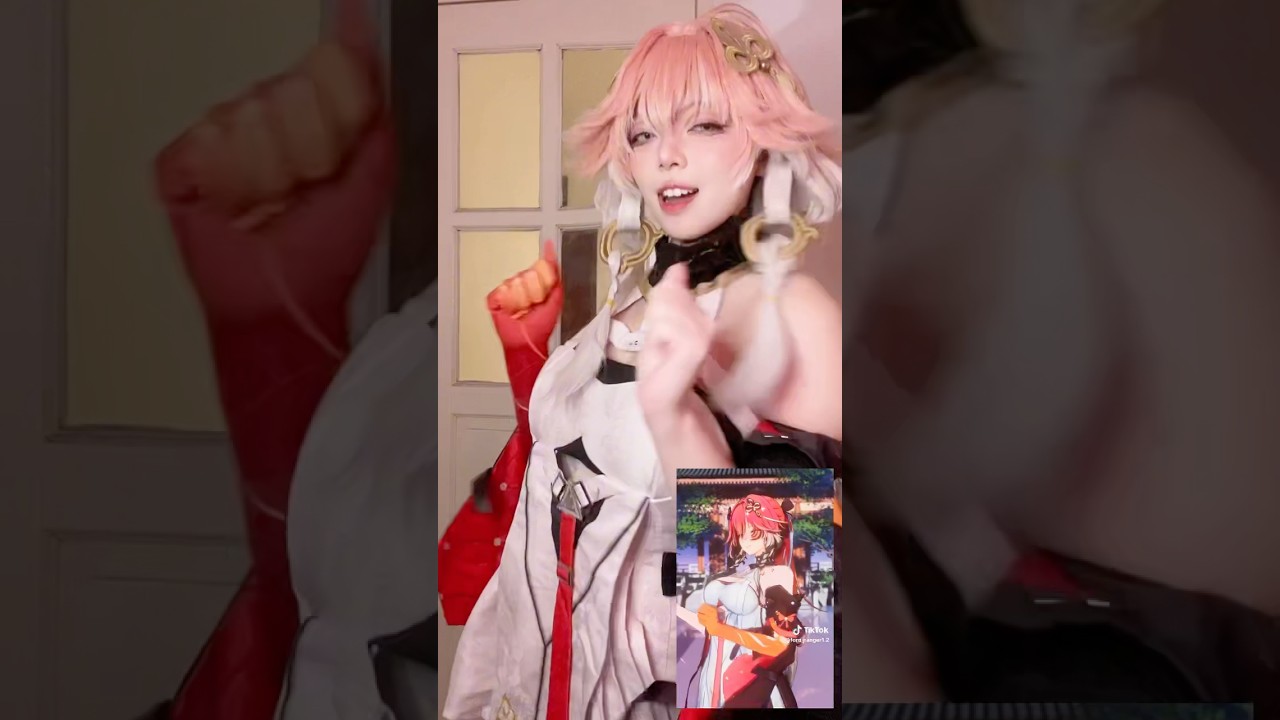
Prepare a dye solution in a large container with hot water (approximately 70°C). Submerge the tip of the fabric (chiffon or organza) for 10 minutes, then raise the fabric level slowly and submerge again for 5 minutes, creating a smooth transition. To ensure color fixation on synthetic fabrics, add white vinegar or a specific polyester fixative to the mixture. See how the fabric movement interacts with light in this example:
- Checkpoint: After complete drying in the shade, the fabric should show a homogeneous color transition without stains. Perform a friction test with a damp white cloth to ensure that excess pigment has been completely removed and will not stain other light parts of the costume.
3. Structure assembly: Invisible fixation
Sew fabric "tunnels" on the inside of the sleeve where the wire will be inserted. The wire must not touch the skin. Use cotton bias tape or twill tape to create these robust channels, preventing the metal from tearing the delicate chiffon fibers.
- Checkpoint: When inserting the wire, test the flexibility. The fabric should slide smoothly over the frame without snagging or pulling on the seams.
Estimated Budget
| Item | Price range | Source |
| --- | --- | --- |
| Chiffon or Voile fabric (5-8 meters) | $20.00 - $50.00 | Estimated FX |
| Aluminum or spring steel wire (structure) | $6.00 - $14.00 | Estimated FX |
| Fabric paints and fixatives (gradient) | $10.00 - $24.00 | Estimated FX |
| Trimmings and support structure (clasps, ribbons) | $8.00 - $16.00 | Estimated FX |
Estimated conversion based on a reference FX rate; local retail prices may differ.
5. Final adjustments and finishing
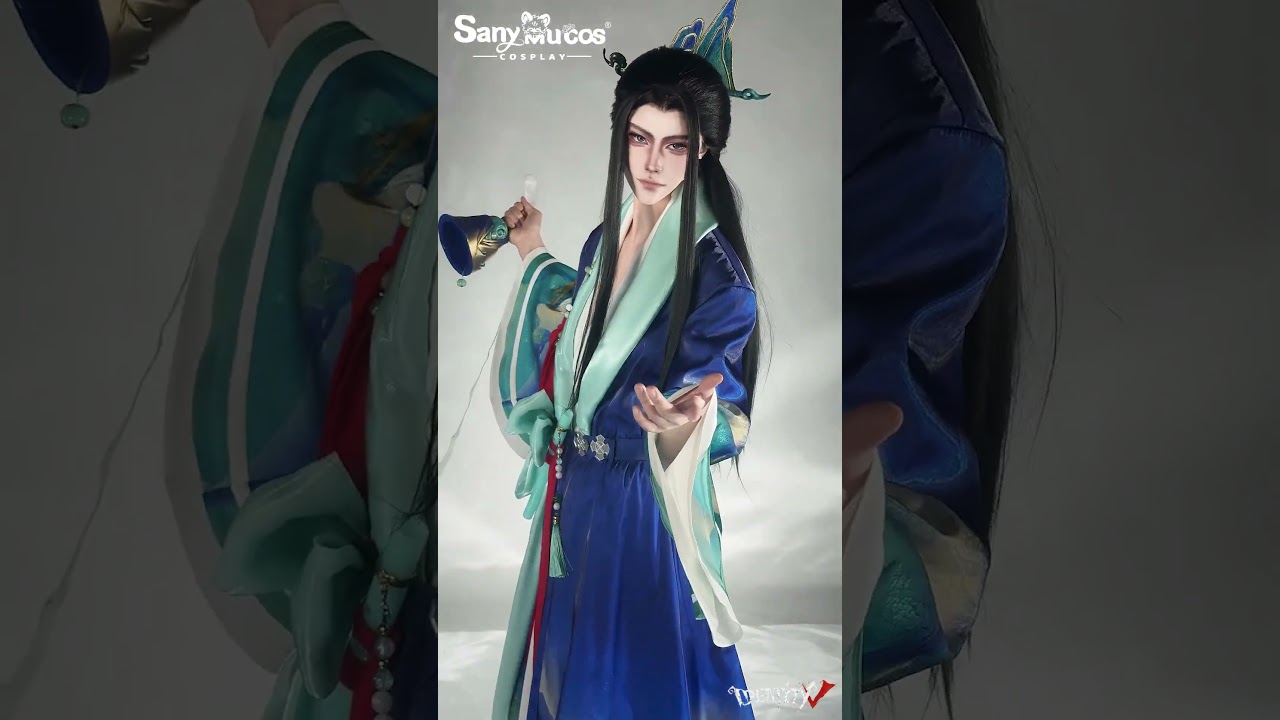
Verify that there are no exposed wire ends that could tear the fabric or cause injury to the public in high-traffic areas. Use rubber protectors or heat-shrink tape on the wire ends. See the level of detail a well-executed piece can achieve:
- Checkpoint: The costume should be comfortable enough to be worn for at least 4 consecutive hours without excessive discomfort in the shoulders or back, ensuring complete safety during your performance.
Logistics of Transport and Assembly Checklist at the Event
Transporting a rigid aluminum or galvanized wire structure without deforming Chang'e's floating curves requires logistical planning. The biggest mistake is trying to transport the cosplay fully assembled. To prevent the #14 (2.11 mm) galvanized wire support from bending during transport, use 20 mm PVC connections sawn and adapted as quick-fit joints (male-female style) at the shoulder and back articulation points.
For safe transport, use a rigid plastic telescopic banner carrier (length adjustable from 1.20 m to 2.00 m). The fabric wings attached to the structure should be rolled around thick cardboard tubes (like those for tapestry fabric rolls) to avoid deep creases in the crystal organza or silk-touch chiffon, fabrics that mark easily and lose the floating effect if wrinkled.
Emergency Checklist for the Dressing Room:
- 6-inch needle-nose pliers: Essential for readjusting the wire angle if any accidental collision occurs during transport.
- 3M Imperial white electrical tape: To cover wire ends that might tear the fabric or hurt the skin.
- Black+Decker BDV2000V portable mini steamer: Essential for steaming chiffon and organza directly on the event hanger. Never use a conventional hotel iron on these synthetic fabrics, as there is a risk of instant melting.
- 0.50 mm nylon fishing line and thick sewing needle: For last-minute invisible fixations if the support structure gives way.
Physical Maintenance and Real-Time Troubleshooting
During the event, physical wear and movement in crowded places can compromise Chang'e's floating illusion. Use this quick guide to diagnose and resolve structural or aesthetic failures on the spot:
The floating effect is gone and the sleeve is "drooping" (Structural Sag)
- Cause: The aluminum or steel wire has yielded due to the weight of the accumulated fabric or wind.
- Solution: Create an invisible secondary anchor point. Tie a nylon fishing line (0.50 mm) to the highest end of the wire curve and attach the other end directly to the reinforced bra strap or the internal support vest (made of 5 mm EVA on the back). The nylon line distributes the weight to the shoulders and is imperceptible from more than a meter away.
The lightweight fabric is sticking to the legs or the structure (Static Electricity)
- Cause: The friction of synthetic fabrics like polyester and organza generates static charge, sticking the fabric to the body and destroying the ethereal effect.
- Solution: Spray a light mist of anti-static spray (such as Comfort Concentrated fabric softener diluted in water) at a distance of 30 cm from the fabric. In emergencies, wipe a dryer sheet lightly over the surface of the fabric.
Tear in the organza near the wire attachment point
- Cause: Excessive fabric tension over the metal without friction protection.
- Solution: Apply a drop of Tekbond 793 instant adhesive directly to the edge of the tear to seal the synthetic fibers and prevent them from fraying. Then, reinforce the contact point by gluing a small piece of transparent silicone tape inside the fabric, relieving the direct pull on the hole.
Bringing Chang'e to life is more than wearing a costume; it is channeling the very essence of the moon and the mystical delicacy she represents in Honor of Kings. Seeing the look of admiration on the public's face when your sleeves appear to float in the air, defying gravity in a magical way, will make every hour of wire bending and fabric adjustment worth it. Wear your lunar armor with pride, trust your project's engineering, and shine with the serenity of a true deity on stage.
Load Distribution and Fixation Engineering
For Chang'e's sleeves to appear to float without apparent effort, the physics of the support must be carefully planned. The weight of the extended fabric creates a moment of force (torque) that acts directly on the cosplayer's shoulders. Without a counter-brace system, the structure will inevitably lean forward or cause back pain after a few minutes of wear.
The most efficient technical solution consists of crafting an under-suit anchor vest:
- Dorsal Base: Use a 2 mm HIPS (High Impact Polystyrene) rigid plate or a double layer of 5 mm high-density EVA foam, heat-molded with a heat gun to perfectly fit the curvature of your back (scapular region).
- Attachment Rods: Fix two aluminum tubes with a diameter slightly larger than the structural wire (for example, tubes with an 8 mm internal diameter) onto the dorsal plate using worm-drive metal hose clamps and flat screws with locking nuts (countersunk head screws to avoid discomfort on the back).
- Suspension Straps: Add adjustable 40 mm nylon straps (similar to those on hiking backpacks) that go over the shoulders and cross at the chest, in addition to a wide abdominal belt. This transfers the center of gravity of the sleeves to the hips and core, relieving tension on the trapezius muscles.
- Quick Coupling: The wire rods of the sleeves simply slide into the tubes fixed to the support vest. This allows you to assemble and disassemble the floating structure autonomously and quickly in the event's dressing room.