
Introduction: Why mix military with cosplay?
Tactical cosplay and techwear aren't just fashion: they are practical responses for those wanting characters with urban presence, real functionality and immediate visual impact. Take the example of “Tactical Miku” that went viral on Reddit — a cosplayer combined an empty ballistic vest, airsoft holsters and reflective strips, turning the digital idol into a fictional operator. The result? 1479 upvotes and dozens of questions about where each piece was bought. The magic lies in demilitarizing surplus without losing the aesthetic aggressiveness.
Integrating real military gear into the entertainment universe requires balance: you need to stop looking like a soldier and start looking like a character. This means removing insignias, changing colors, hiding rigid parts and — above all — ensuring the set gets into events with rules against real weapons or full uniforms. The secret is in the detail: a vest seen from behind looks like a video game platform; an empty holster turned backwards becomes a hip bag; a MOLLE strap cut and sewn at asymmetric angles already turns into urban cosplay.
When well done, adapted military cosplay delivers comfort, real pockets and even lighting for night photos — all without wasting a kidney on brand-name pieces. In this guide you will learn to convert surplus into character pieces, prioritizing cost-benefit, event safety and that futuristic look folks call darkwear.
Choosing and demilitarizing surplus
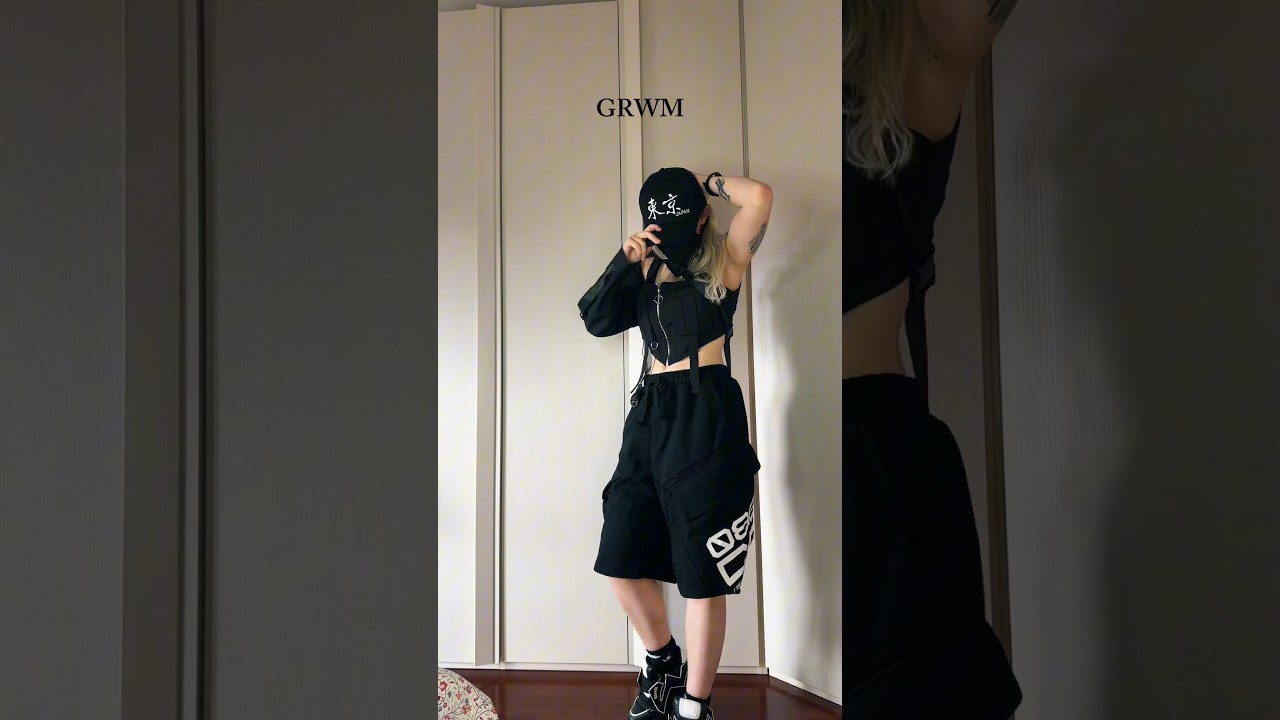
The first rule of adapting military gear is: never buy something with ballistic plating included — it's heavy, expensive and barred at almost every event. Focus on empty “plate carrier” vests, pistol holsters and waist bags. Surplus fairs, airsoft groups and auction sites are the best starting points. Look for labels like “MOLLE”, “PALS” or “tactical vest” and check if the stitching is intact; 1000D fabric is ideal, but 600D already handles casual use.
Once the item arrives, clean it with water and mild soap to remove warehouse dust and mothball smell. The next step is to “demilitarize”: remove official patches, army name, national flag velcro and any print referring to rank. Use cutting pliers and, if necessary, sew the remaining velcro with a straight stitch in the fabric color. This avoids you being stopped at the event door for infringing uniform rules.
Colors also need attention. Camouflaged ones are restricted to game cosplays like Ghost Recon or The Division. For a techwear look, prefer black, dark gray or ranger green bases. If your piece is woodland or desert, do a saturation paint: spray diluted black acrylic paint (1:1 with water) in thin layers until neutralizing the pattern, letting dry 30 min between each. The result is an aged tone that keeps texture without referring to a battlefield.
Checkpoint: after cleaning and removing patches, the item must look like a generic accessory, without national or corporate identification. If it still looks like a uniform, repeat the painting process or add reflective tapes to distort the silhouette.
Quick modifications on vests and platforms
Surplus vests tend to be wide and square — perfect for soldiers, terrible for cosplayers. To slim the set, open the sides and cut excess nylon, keeping 2 cm margin for sewing. Replace old velcro with 25 mm plastic buckles; this way you gain fine adjustment and avoid the characteristic “tear” of old velcro. If the vest has no waistband, add a 4 cm elastic with zigzag stitching — it flexes 5 cm to each side, improving mobility.
Internal plates weigh up to 3 kg; replace with 5 mm EVA cut in the shape of the original plate. Line the EVA with quick-dry mesh fabric — you gain lightness and avoid sweating your shirt. To keep the volume, glue two layers of EVA with Cola 300 (neoprene-based) and press between boards for 4 h. The result becomes rigid enough to hold pouches, but flexible to store in the backpack.
Take advantage of the original MOLLE system to add modular pouches. Cut 25 mm nylon strips and sew them in asymmetric positions — this breaks the military symmetry and creates a more “game” look, ideal for urban cosplay. Before finalizing, test all snaps: they must lock with an audible click, but release with a keychain lever. This way you can swap pouches in seconds during the event.
Checkpoint: wear the vest with the new EVA plates. Raise your arms above your head; if the shoulder rises along, adjust the waist or reduce plate size. The ideal is it stays in place even during runs.
Holsters, pouches and utility holders
Real holsters are designed for pistols; in tactical cosplay, they turn into supports for radio, powerbank, thermal bottle or even spray paint. Start by removing the nylon retention or the elastic cover. With a cutter, widen the mouth by 1 cm to facilitate access. Internally, line with cell foam (the same one from cases) and fix with double-sided tape: prevents scratches and still adds volume, stopping objects from coming loose.
If the character requires futuristic visibility, add a hidden LED strip on the side of the holster. Use 60 LED/m tape and 18650 battery; fix with hot glue at strategic points so light escapes from behind, creating a halo. Avoid exposed LEDs — besides breaking easily, they resemble real weapons and may be barred. Prefer the “breathing” mode (2 s on, 2 s off) not to blind photos.
Waist packs ("tactical fanny pack") are great for storing your phone and documents. Replace the original belt with 40 mm elastic covered in nylon — you keep the fit and gain comfort for long days. To unify the look, paint zippers and buckles matte black with vinyl paint; it flexes without cracking. If the pack has front velcro, take the chance to glue a fictional team patch (Overwatch, Apex, etc.), reinforcing the playful tone.

Checkpoint: insert the phone inside the modified holster and run 30 m. The device must remain locked, without touching the sides, and you must be able to remove it with one hand in less than 3 s.
Integration of lighting and electronics
Functional lighting is what separates generic tactical gear from an impressive cosplay. Start by mapping the wiring path: from the battery in the internal pocket to the LEDs on the shoulders, always along the inside of the nylon to avoid tangling. Use 26 AWG enameled copper wire — it is thin enough to sew over and withstands 2 A, enough for 1 m of RGB LED strip.
Before securing, test the entire current on the bench: battery → switch → controller → LEDs. This way you avoid undoing seams after the wire is hidden. For protection, wrap in ⌀3 mm heat-shrink tubing and lightly apply the heat gun at 130 °C for 3 s; the tube shrinks without melting the vest's nylon.
Motion sensors are a plus. An MPU-6050 accelerometer connected to an Arduino Nano (or ATTINY85 if you want to reduce size) can light up LEDs when you turn sharply — perfect for "scanner" style characters. Program the code for "low power" mode: at rest, the circuit consumes < 1 mA, guaranteeing 8 h of event with a 3.7 V 2000 mAh battery. House the microcontroller inside a stamped ABS box with a PLA printed support; secure with M3 screws in the internal seams of the vest.
Checkpoint: wear the set, turn on the system and take 5 steps. The lights should turn on during the transition from the right foot to the left. If not, increase the accelerometer sensitivity (value 5 in the sketch) until you get an immediate response without false triggers.
Tactical-tech finishing and painting
Painting is what will decide if your cosplay resembles an operator or a cyber character. First, clean all surfaces with isopropyl alcohol to remove body oils. For nylon, use flexible acrylic paint (polyurethane-based) in a 1:1 ratio with water; apply with a makeup sponge in circular strokes. This preserves the fabric texture and avoids a plasticized look.
EVA and plastics should be primed with matte black Plasti-Dip — two thin coats with 20 min intervals. Next, create a "weathered" gradient with light gray dry acrylic paint on a piece of sponge. Lightly touch edges and scratches; the contrast suggests heavy use, typical of the darkwear style. To reinforce the futuristic theme, use masking tape to mask geometric strips and spray silver reflective paint (the same used in road signage). Remove the tape after 5 min; the result is accents that shine under flash but remain discreet to the naked eye.
Metal buckles and zippers should be darkened with "gunmetal" vinyl paint to avoid reflecting camera light. If you want quick aging, go over the tips of the buckles with 220 grit sandpaper before painting; the paint adheres better and creates real grooves. Finish with water-based matte varnish — two coats with 2 h intervals — to protect against chips during transport.
Checkpoint: after everything is dry, fold a painted strip of EVA 180°. The paint should not crack or peel. If this happens, increase the amount of flexible medium in the mix.
Final assembly and comfort adjustments
The last step is ensuring the set is as comfortable as it is beautiful. Put on all pieces and walk for 15 min indoors. Mark with white chalk the points where the nylon rubs or forms bulges — usually in the armpits and along the edges of seams. Apply "moleskin" microfiber tape over these areas; it reduces friction and prevents blisters.
Distribute weight in a balanced way: heavy pouches (battery, bottle) always on the hips, light accessories (radio, LED) on the shoulders. This reduces spinal fatigue and improves posture. If the vest still wobbles, add a velcro "side strap" between the two rear halves — you cut out 10 cm of lateral movement without impairing breathing.
Make an event check-list: document in an internal zippered pocket, phone in an easy-access holster, spare battery in a pocket with external USB port, and a quick repair kit (extra MOLLE tape, needle, thread, hot glue) inside a medicine case. This way you can fix any disaster in less than 5 min, avoiding returning to the hotel with a damaged cosplay.
Checkpoint: jump 20 times with the full set. Nothing should hit your face, come loose or rattle. If there is noise, check if the plastic buckles are locked correctly; rattling indicates poorly distributed tension.
Step by step
- Clean and demilitarize the surplus: Wash the vest with water and neutral soap, remove patches, pins, and national Velcro. Paint over camouflage with diluted black paint until a neutral tone is obtained.
- Cut and replace inner plates: Use a cardboard template to mark the shape of the original plate, transfer to 5 mm EVA, duplicate layers with 300 glue, and line with mesh.
- Adjust the vest cut: Mark the sides with chalk, cut 2 cm outside the line for margin, sew plastic buckles in place of Velcro. Test mobility by raising your arms.
- Modify holsters and pouches: Remove internal retainers, line with EVA foam, install LED strip on the side with hot glue. Configure “breathing” mode on the driver.
- Install lighting and wiring: Map the internal route, sew 26 AWG wire inside heat-shrink tubing, connect 18650 battery and test all LEDs before closing the seam.
- Paint and weather: Apply Plasti-Dip to the EVA, make wear with a sponge and gray paint, add masked reflective strips with masking tape. Finish with matte varnish.
- Check and balance the set: Put everything on, walk for 15 min, mark friction points, apply moleskin, distribute weight (heavy on the hips, light on the shoulders), and perform a jump test.
Estimated Budget
| Item | Price range | Source |
| --- | --- | --- |
| Colete surplus sem placas | $16.00 - $30.00 | Estimated FX |
| Tinta acrílica preta/cinza/oliva | $3.00 - $5.00 | Estimated FX |
| Fita nylon MOLLE 25 mm | $0.40 - $0.80 | Estimated FX |
| EVA 5 mm para placas internas | $4.00 - $7.00 | Estimated FX |
| Kit fivelas e sliders de plástico | $2.00 - $4.00 | Estimated FX |
| Fita LED 1 m com bateria | $5.00 - $8.00 | Estimated FX |
| Lixa e cola quente | $2.00 - $3.00 | Estimated FX |
Estimated conversion based on a reference FX rate; local retail prices may differ.
Common mistakes and how to fix them
-
Mistake: Painting nylon with regular spray paint — results in a rigid surface and cracks.
Solution: Mix flexible acrylic paint with 30% textile base; apply with a sponge and let cure 24 h before bending. -
Mistake: Using steel plates to maintain shape — vest becomes heavy and may be barred.
Solution: Replace with double EVA or 3 mm cutting plastic (komatex): 80% lighter and accepted at events. -
Mistake: Leaving LEDs exposed — can be interpreted as simulating a real weapon.
Solution: Conceal LEDs behind translucent nylon or a narrow slit; use indirect light to maintain safety. -
Mistake: Sewing wiring without protection — after use, the wire breaks with tension.
Solution: Always place wire inside heat-shrink tubing and secure with “zig-zag” stitches in nylon: allows flexing without straining solder joints.
Final tips for transport and conservation
Store the vest on a wide hanger so the wings don’t bend; if traveling by plane, pack lithium batteries in carry-on luggage according to IATA regulations. After the event, clean sweat with water and vinegar (1:1) to prevent mold, and keep a silica sachet in the EVA plate compartment — this avoids unpleasant odor at two-day events. Check nylon seams every six months: any loose stitch must be redone before the next convention. With these care, your tactical cosplay will withstand dozens of events, always ready for the next urban mission.