Building a tokusatsu helmet — like the iconic Power Rangers, Kamen Rider, or Sentai — is considered the "ultimate test" of propmaking. It demands precision in sculpting, patience in finishing, and technical knowledge in painting and thermoforming. In this complete guide from Cosplay Orbit, we will break down the absolute process for you to build your piece from scratch, covering all steps to ensure a result worthy of a movie set.
Visual Reading and Practical Design Adaptation
The first step before buying any materials is to break down the anatomy of the chosen helmet. A traditional tokusatsu helmet has a very specific silhouette: the head is often sculpted in a slightly larger proportion than a human one to accommodate the actor and the visor, creating a "bulky" and heroic appearance.
The basic anatomy is divided into three crucial elements:
- The Crown: The upper part that defines the shape of the head (round, angular, with crests, "bald/flat").
- The Faceplate: The rigid lower section where the mouth and nostrils are located, usually fused with the crown or overlapped.
- The Visor (Visor/Eyes): The visual impact piece, which must be deep, wrap-around, and reflective.
When adapting the design for real life, proportion and fit are everything. A Power Rangers cosplay helmet cannot be a perfect sphere; it needs a basal flap or a cut at the nape of the neck that allows you to wear the piece without tearing your ears off. Apply the concept of an "undercut" to the mold: the back of the helmet often has a hidden opening or is slightly lower to allow the head to enter.
Mandatory Materials and Safety Equipment
For high-level work, you will need specific materials. The quality of your tokusatsu helmet depends directly on what you apply to its surface.
Construction and Finishing Materials:
- EVA Foam (High Density, 10mm or 15mm) or PETG/ABS Filament: For the structural base.
- Acrylic Putty or Polyester Filler (Bondo): For seams and leveling.
- Wood Glue (White glue) or Acrylic Sealer: To seal the EVA (if applicable) and prepare for paint.
- Wet/Dry Sandpaper (Grit 120, 240, 400, 600, and 1000): Essential for a smooth finish.
Visor and Painting Materials:
- PETG Sheet (2mm to 3mm) or Acrylic: For the visor.
- Mirrored Film (One-Way Mirror Film) or Mirrored Paint: The secret to the perfect mirrored helmet visor.
- Automotive Paint Kit: High-adhesion primer, Basecoat in the ranger's color, and Clear Coat Varnish (Matte or Gloss).
Safety Equipment (Non-Negotiable):
- Respiratory Mask with OV/P100 Chemical Filter: Automotive paints in airbrushes or sprays release highly toxic isocyanates.
- Nitrile Gloves and Safety Goggles.
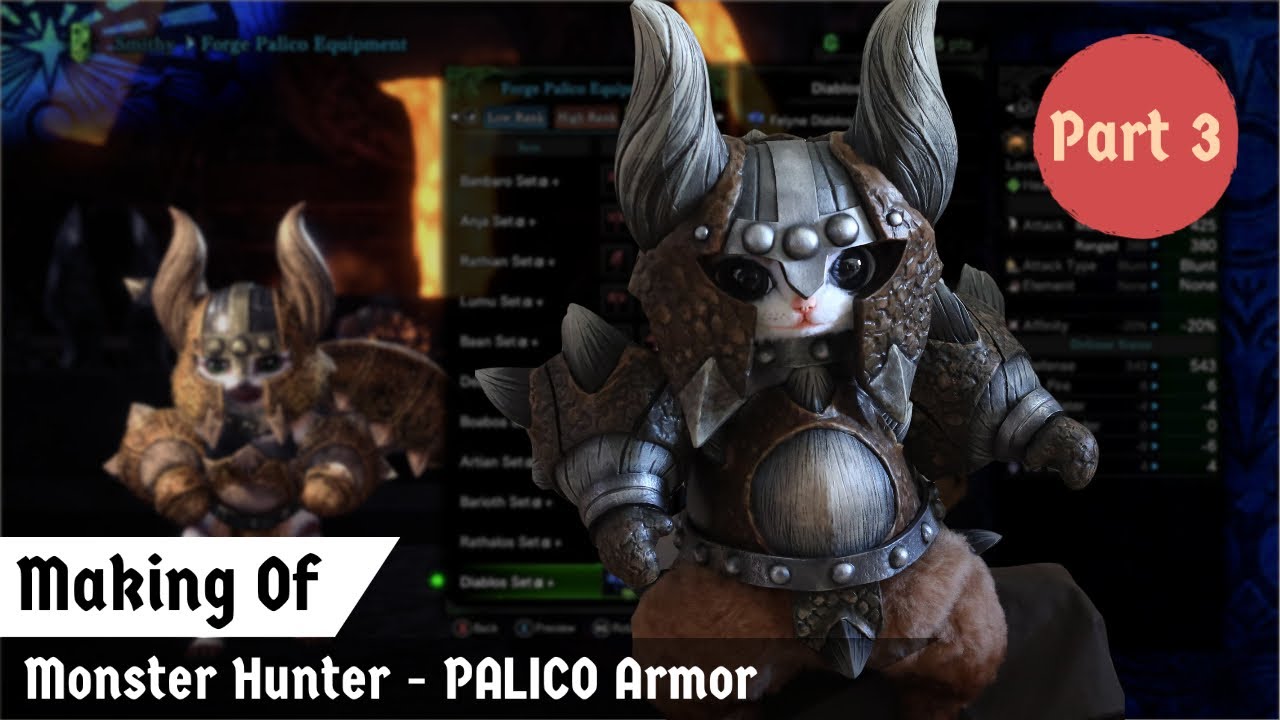
To see how professionals manage complex EVA pieces and helmet structures, check out this advanced sculpting tutorial that perfectly illustrates the level of detailing required for major builds.

Estimated Budget
| Item | Price range | Source |
| --- | --- | --- |
| Chapas de EVA Foam (alta densidade) ou Filamento PETG/ABS | $8.00 - $24.00 | Estimated FX |
| Massa para acabamento (Bondo / Wood Glue) e Lixas d'água | $10.00 - $18.00 | Estimated FX |
| Kit de Pintura Automotiva (Primer, Tinta Base, Verniz Clear Coat) | $24.00 - $50.00 | Estimated FX |
| Chapa de PETG/Acrílico + Película Espelhada (One-Way Mirror) | $10.00 - $20.00 | Estimated FX |
| Colas (Contate, Cianoacrilato), Espuma interna e Tirantes | $8.00 - $14.00 | Estimated FX |
| Equipamentos de Segurança (Máscara com filtro químico, luvas) | $12.00 - $30.00 | Estimated FX |
Estimated conversion based on a reference FX rate; local retail prices may differ.
Common Mistakes and Troubleshooting Solutions
Before getting your hands dirty, be aware of the main mistakes that can ruin a build:
- The Paint Cracks or gets "Alligator Skin"
- The Mistake: Applying overly heavy coats of automotive paint or not respecting the flash time (drying between layers).
- The Solution: Apply the paint in light, quick passes (tack coats), waiting 10 to 15 minutes between each coat. If it cracks, sand with 800-grit sandpaper and reapply the varnish.
- The Visor Gets Bubbles or Wrinkles
- The Mistake: Applying the mirrored film all at once without using soapy water, or using an acetate that is too thick to mold.
- The Solution: When applying privacy films (G5), spray water with a drop of mild detergent on the PETG visor. Use a credit card to gently "squeegee" the air bubbles from the center to the edges.
- The Helmet Doesn't Fit Over the Head
- The Mistake: Sculpting or printing the mold without calculating the head circumference (ergonomics). Many cosplayers focus on aesthetics and forget about human anatomy.
- The Solution: Always do a cardboard test in the pepakura phase to ensure the helmet's basal opening is at least 5 to 8 cm larger than your head circumference measurement. Add a rear opening system (magnetic clasps) if necessary.
Step by Step
At this stage, we assume you already have the base mold (whether built in EVA, pepakura, or 3D printed). The focus here is on high-level technical execution.
1. Base Preparation and Modeling
If you are using EVA foam helmet construction, the secret lies in precise cutting and sealing. After assembling the helmet with high-temperature contact cement, you will need to level all the seams. Apply a generous layer of white glue (Wood Glue) diluted in about 30% water over all the EVA. This seals the pores of the foam. If there are deep holes in the seams, use a flexible modeling putty, such as Kwik Seal (glass sealer) or Dap. Sand with 240-grit wet/dry sandpaper under running water to avoid tearing off the sealer.
- Checkpoint: Run your hand over the surface of the helmet with your eyes closed. If you feel "steps" or pronounced bumps in the transition between the EVA seams, the piece is not ready yet. Go back to sanding and applying putty until the surface is 100% flat to the touch.
2. Smooth Finish (Preparation for Painting)
Tokusatsu requires a perfectly smooth finish, free of EVA textures or 3D printing lines. To achieve this, we will begin the preparation process. Apply two to three coats of High-Build Automotive Primer (Filler) to the entire helmet, respecting a distance of 15 to 20 cm from the spray nozzle. The primer will reveal any microscopic defects. Sand gently between coats with 400-grit and then 600-grit wet/dry sandpaper. The piece should go into the paint booth with a matte satin finish. If you want to better understand fine modeling and material adhesion on complex pieces, we recommend studying supplementary materials on the construction of anime cloaks and helmets that deal with sharp curves.
- Checkpoint: Apply masking tape to the helmet and pull it off quickly. If the tape tears off particles of the primer or sealer, your adhesion has failed and you need to sand it finer and reapply. The primer should look like a uniform, matte eggshell before applying the color.
3. Cosplay Automotive Paint Application
The secret to making the helmet look metallic and armored is the layering painting technique (Wet on Wet application). Apply your base coat using an airbrush or a quality automotive spray gun. Make light, even passes. To prevent the paint from dripping (the "crying" effect), keep the nozzle constantly moving parallel to the piece, releasing the spray outside the helmet's area.
After the base color is dry to the touch (usually 20 to 30 minutes), apply a high-quality Automotive Clear Coat (2K varnish can be used). The Clear Coat is what will give the cosplay its glossy depth and extreme durability, protecting it against scratches. Remember, this step must be done in a well-ventilated environment while wearing an appropriate mask (chemical filter).
- Checkpoint: After complete drying (48 hours for a full cure), gently press the surface with your fingernail. The paint should not mark, soften, or show irregular textures. The light reflection on the helmet should be continuous and without visible seams.
4. Fabrication and Application of the Mirrored Visor
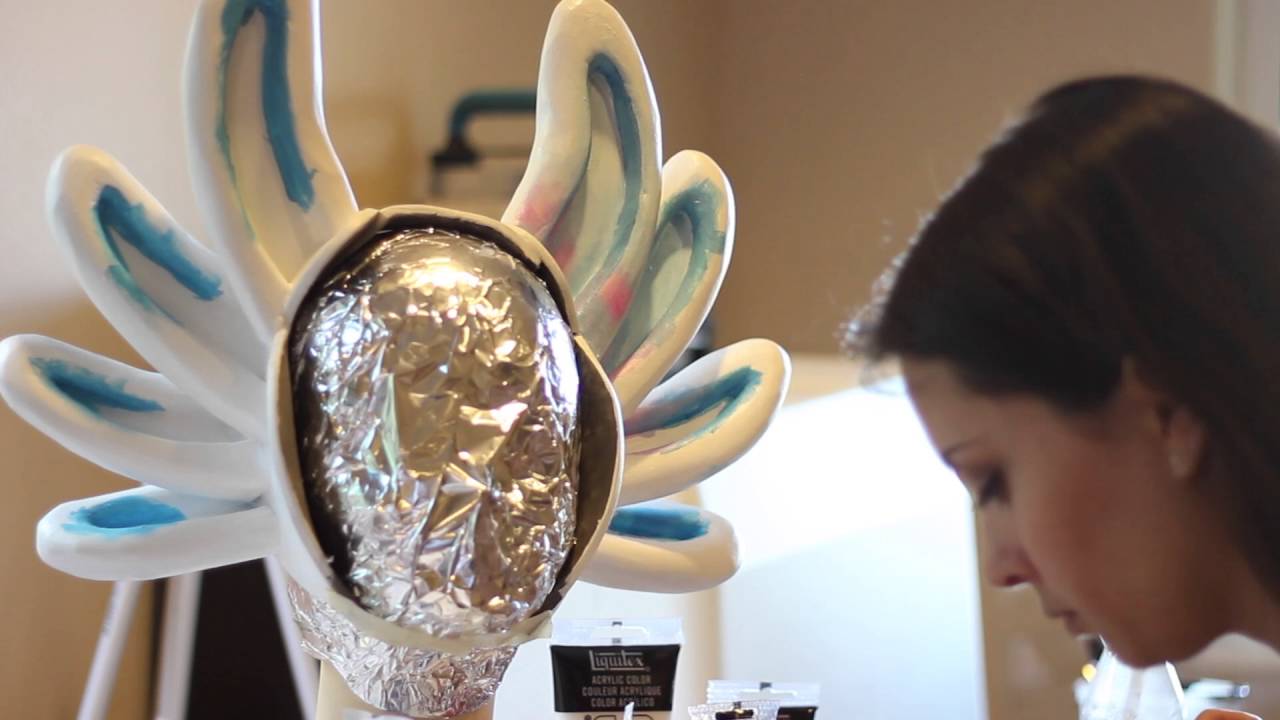
The soul of a Power Rangers helmet is the visor. You will need to create a positive mold of the helmet's "face" (a plaster or clay mold) so you can thermoform your material (PETG or mirrored acetate) over it using a vacuum former or a heat gun for freehand molding.
If you use mirrored acetate or pure PETG, the best technique is to apply a G5 privacy film (One-Way Mirror) to the inner side of the molded visor. This ensures that the outer side remains perfectly smooth and reflective, protecting the film from scratches, while you are able to see out through the dark tint.
- Checkpoint: Position the visor over the face of the helmet without gluing it. Turn on a cellphone flashlight from inside the helmet and observe from the outside. Light should not "leak" from the sides. The visor should fit like a glove, with a maximum gap of 1 to 2 millimeters for the glue.
5. Final Assembly and Ergonomic Adjustments
With the paint cured and the visor ready, attach the visor using cyanoacrylate glue (Super Glue Gel) or high-temperature contact cement. Do this by applying small drops at strategic tension points to prevent the glue's chemicals from "eating" your paint or fogging the visor.
Finally, add internal comfort. Cut high-density camping foams (5mm EVA) and glue them to the temple, cheek, and neck areas inside the helmet using 3M spray adhesive. This not only ensures that the helmet won't wobble during parades and photoshoots, but also protects your face from the hard edges of the dried glue.
- Checkpoint: Put the helmet on your head, pull it down until it locks at the back of your neck. Shake your head vigorously from side to side and back and forth. The helmet should remain firmly in place like a second skin, without bumping into your ears or nose, keeping your vision through the visor clear and sharp.
Mastering the art of modeling, having patience during sanding, and respecting the chemical processes of automotive paint will elevate your work from a "craft" level to a studio replica level. Remember that practice and persistence are the most powerful tools in your propmaker arsenal.