

'Heels' and High Heel Tutorial for 'Onee-san' (Stylish) Cosplay: Shoe Modification for Comfort and Posture during Long Events
Achieving the imposing posture of a "Onee-san" character — that mature, elegant, and self-confident figure — requires much more than just makeup and costuming. The foundation of this silhouette often lies in a pair of challenging high heels, which, despite photographing well, can be torture after hours at a convention. The secret to maintaining the stylish aura without sacrificing mobility lies in footwear engineering. This guide focuses on the technical and ergonomic modification of your footwear to ensure that you can walk with confidence, pain-free, throughout the event.
Visual Reading of the Character
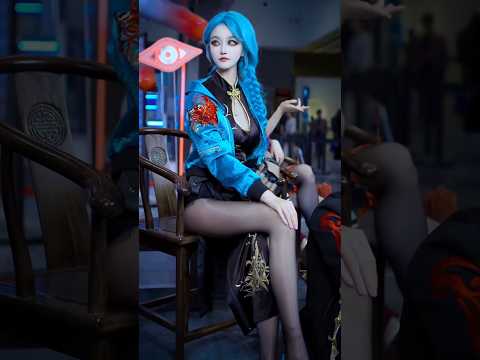
The "Onee-san" (older sister) archetype in anime and games is visually defined by an elongated silhouette and assertive posture. Unlike cute or chibi characters, the Onee-san aesthetic demands verticality. High heels, whether thin (stiletto) or wider (block), are not just a fashion accessory, but a tool for biomechanical alteration. They force tension in the calf muscles and alter the tilt of the pelvis, projecting the chest forward and conferring that appearance of authority and dominance.
For the visual reading, the texture and finish of the heel are crucial. A black patent or varnished heel reflects light and draws attention to the character's stability. The curve of the shoe's arch must also be observed: Onee-san characters often wear footwear that hugs the vamp of the foot with thin straps or deep cutouts, which increases the mechanical difficulty of keeping the shoe attached to the foot. When choosing or modifying the footwear, preserve the "sharp" and polished aesthetic, as any bulky addition can break the illusion of elegance. The goal is for the modification to be invisible to the naked eye, but tangible when stepping.
Priorities: What to Fix First
When adapting a shoe for this style, not all modifications carry the same weight. To maintain the integrity of the look and ensure safety, follow this hierarchy of priorities:
- Ankle Stability: The absolute priority is to prevent sprains. Thin heels destabilize the ankle joint. If the model allows, the first action must ensure that the heel does not slide inward or outward.
- Arch Support: Elegant posture comes from a well-supported arch. If the foot collapses inward (pronates), the spine suffers the consequences. Internal arch support is the most critical component to withstand 8 to 10 hours of an event.
- Heel Grip (Heel Tips): Convention floors are often a dangerous mix of smooth concrete and slippery carpet. Original factory plastic heels offer no traction at all. Non-slip heel tips are non-negotiable; a fall by a Onee-san character completely breaks immersion and can cause real injuries.
- Aesthetic Armoring: Only after solving comfort and safety do we think about shoe armoring. This covers imperfections in the base shoe or alters the color/material without interfering with the comfort engineering already applied.
Practical Adaptation: Comfort Engineering
The adaptation of platform heels or thin heels for cosplay requires a surgical approach. It is not enough to just place an insole on top; often it is necessary to reconstruct the interior of the footwear. Most cheap fantasy shoes have an interior made of stiff cardboard or hollow plastic, which does not absorb impact.
To start, remove any original insole that the shoe brings. Evaluate the depth of the heel (the "cup" of the shoe). If there is excess space, the foot will float, causing friction. The solution is to fill this empty space with high-density foam or thin EVA, glued with a hot glue gun. This creates a custom "mold" of your heel, transforming a generic shoe into an extension of your own foot.
Another vital point is the metatarsal area (the sole of the foot just below the toes). High heels concentrate immense weight in this region. Applying a thin layer of shoe silicone or a gel pad to this specific area distributes the pressure, preventing the burning sensation on the soles of the feet. Remember: a Onee-san's posture requires you to be standing, but the engineering must allow you to do so without thinking about the pain.
Materials and Execution Strategy
To perform cosplay shoe modification effectively, you will need to separate your materials into mandatory and optional, depending on how radical the transformation of the base shoe is.
Mandatory Materials
- Hot Glue Gun and Glue Sticks: Essential for quick fixes and filling internal empty spaces. Prefer high-temperature glue for a more durable bond.
- Gel or Foam Insoles: Choose models specific for high heels, which usually have a shorter shape so as not to squeeze the toes.
- Sharp Steel Scissors or Craft Knife: To cut EVA, foams, and adjust the insoles to the exact size of the shoe.
- Measuring Tape or Ruler: Precision is key to avoid cutting the filling materials incorrectly.
Optional Materials (Recommended for extreme comfort)
- Moleskin or Blister Adhesive: To prevent skin burns in specific friction areas (such as the back of the heel or the little toes).
- Cloth Tape (Micropore): For cosplay foot wrapping in areas where the shoe still causes friction, acting as a second skin.
- Double-Sided Tape (Heavy Duty): The definitive solution to ensure the foot does not slide inside the shoe.
Estimated Budget
| Item | Price range | Source |
| --- | --- | --- |
| Palmilhas de Gel ou Espalta (Par) | $3.00 - $12.00 | Estimated FX |
| Moleskin ou Adesivo para Bolhas | $2.00 - $5.00 | Estimated FX |
| Sapatas Antiderrapantes (Par) | $1.60 - $4.00 | Estimated FX |
| Pistola de Cola Quente e Varetas | $4.00 - $10.00 | Estimated FX |
| EVA ou Espuma de Alta Densidade (para forro) | $3.00 - $8.00 | Estimated FX |
Estimated conversion based on a reference FX rate; local retail prices may differ.
Common Mistakes and Solutions
Before you start cutting and gluing, be aware of the most frequent mistakes when trying to achieve comfort in high heels, so you don't compromise your footwear.
-
The Double Layer Mistake: Wearing two pairs of thick socks to "fill" the space.
- Why it fails: This increases heat, sweating, and pressure inside the shoe, causing blisters and numbness.
- Solution: Fill the empty space of the shoe with EVA or foam, keeping the foot wrapped in only a thin cotton sock or pantyhose.
-
Gluing Directly to Skin: Applying the insole or foam directly to the foot.
- Why it fails: Tape adhesives or adhesive insoles can scratch the skin or lose adhesion with sweat.
- Solution: Glue the reinforcement materials inside the shoe, never on the body. Use thin socks as a protective barrier.
-
Ignoring the Weight Test: Testing the shoe only while sitting or standing statically for 30 seconds.
- Why it fails: Circulation problems and arch pain only appear after a few minutes of walking.
- Solution: Walk around the house in new heels for at least 15 to 20 minutes before the event to identify friction points.
Step-by-Step: Heel Modification and Reinforcement
Follow this logical sequence to transform your common footwear into an ergonomic tool for your onee-san shoes tutorial.
1. Preparation and Cleaning of Footwear
Before any modification, clean the inside of the shoe. Remove dust and manufacturing residues that might prevent glue adhesion. If the shoe has a shiny tack on the heel that you want to remove or cover, do it now, sanding the surface with fine sandpaper so that new materials adhere well. Ensure the shoe is dry.
- Checkpoint: The inside of the shoe must be clean and dry, with no loose parts.
2. Molding the Heel Cup (Fit Engineering)
Many high heels are too wide at the heel, causing the foot to "slip out" when walking. Cut a piece of 2mm EVA or use scraps of dense foam. Glue pieces to the inside back of the shoe (in the area that wraps around the Achilles tendon) and the inner side, building a wall that prevents the heel from lifting or sliding to the sides. Do not overdo the amount; the fit should be snug ("snug"), but not so tight as to cut off circulation.
- Checkpoint: When wearing the shoe, the heel should not rise and fall more than 5 millimeters when taking a step.
3. Application of Insoles and Arch Support
Place the gel or foam insole inside the shoe to check positioning. Generally, the thickest part of the insole goes under the heel. If your plantar arch is low, consider adding a small roll of EVA under the insole, exactly where your foot's arch rests. This lifts the arch, preventing the foot from "flattening" and distributing weight incorrectly. Glue the insole permanently using a little hot glue on the ends or double-sided tape so it doesn't slide.
- Checkpoint: The foot should feel "embraced" by the shoe, without empty points under the sole.
4. Installation of Anti-slip Heel Grips (Safety)
Turn the shoe over and lightly sand the tip of the heel (if it is smooth plastic). Apply the anti-slip heel grip according to the package instructions. Usually, this involves heating the grip or the heel slightly to activate the glue. Press firmly. If the heel is very thin and brittle (common in cheap costume shoes), consider reinforcing the heel "stem" by wrapping it with a decorative adhesive tape or painting over it, but the grip should go on the tip that contacts the ground.
- Checkpoint: When tapping the heel lightly on the ground, the sound should be muffled (no longer the high "clic-clac" of empty plastic) and the shoe should offer resistance to sliding on smooth surfaces.
5. Skin Protection and Final Adjustments
Wear the shoe with a thin sock and identify painful pressure points. Apply strips of Moleskin in these areas inside the shoe to create a buffer. If you still feel your foot slipping forward (crushing the toes), place a small piece of Velcro (the rough part) on the inside heel of the shoe and a piece of soft Velcro on the sock, or use double-sided tape on the heel of the foot to "stick" it to the shoe.
- Checkpoint: Walk around the room for 20 minutes. At the end, there should be no intense redness or sharp pain in specific points.
Conclusion and Maintenance
By following these footwear engineering steps, you have transformed a decorative accessory into a functional tool. Remember that even with all these modifications, posture in heels is a muscular skill. Practice walking in the modified footwear before the event day to get used to the new center of gravity.
During the event, take breaks to sit and elevate your feet. Cosplay foot wrapping with light compression wraps can help with venous return if you feel excessive leg fatigue. With the well-fitted shoe, you can focus entirely on portraying the Onee-san character with the confidence and elegance she demands, without physical discomfort stealing your moment. Invisible comfort is the true foundation of lasting beauty in cosplay.