

The creation of a twin face makeup look represents the pinnacle of scenic versatility in the world of cosplay. This technique, which explores the concept of two identities on a single face, requires precise mastery of symmetry and contrast. By manipulating visual perception through asymmetric contouring and the strategic use of cosplay contact lenses, you can create an impactful duality that defies natural anatomy. This detailed guide will serve as your definitive manual for mastering this advanced form of transformation makeup.
Introduction to the Twin Face Concept (Two Identities)
The concept of Twin Face or Duality Makeup is not limited to splitting the face in half; it is about telling two simultaneous stories. Whether to represent a character who possesses a moral duality, a mutation, or simply to merge two distinct characters into a single photoshoot, the technique requires that the left and right sides of the face "converse" with each other, even while possessing opposing aesthetics.
The key to success here is the transition. If you do not create a clean dividing line or a well-executed fusion gradient, the look may appear to be nothing more than poorly finished makeup. The asymmetric contouring acts as the skeleton of this illusion, while the cosplay contact lenses provide the visual focus necessary for the observer to instantly identify that the face carries two different essences. Preparing for this look means studying your own facial anatomy and understanding where natural lights and shadows should be suppressed to make room for new structures.
The concept of Twin Face or Duality Makeup is not limited to splitting the face in half; it is about telling two simultaneous stories. Whether to represent a character who possesses a moral duality, a mutation, or simply to merge two distinct characters into a single photoshoot, the technique requires that the left and right sides of the face "converse" with each other, even while possessing opposing aesthetics. The key to success is the technical transition: the use of asymmetric contouring serves as the structural skeleton of the illusion, while the contact lenses provide the necessary chromatic contrast. To reach an editorial level, one must consider facial anatomy, applying shadows that suppress natural features on one side and exalt them on the other, creating a break in symmetry that sustains the visual narrative of duality.
Necessary Materials and Eye Safety Preparation
For professional execution, the selection of materials is crucial. Do not skimp on the quality of products that will come into direct contact with sensitive skin or your eyes.
Mandatory Materials List
- Full Coverage Foundation: To create a uniform canvas (Ex: Kryolan TV Paint Stick or Estée Lauder Double Wear).
- Contour Palette: With cool tones for deep shadows and warm tones for warming (Ex: Mariana Saad by Océane Palette).
- Contact Lenses: Two pairs or one pair of distinct colors (Ex: TTDeye or MisLens).
- Multipurpose Solution: For lens sanitization.
- Eye Primer: Essential so that the makeup does not crack on the transition line.
- Makeup Setting Spray: High-fixation spray (Ex: Urban Decay All Nighter).

Estimated Budget
| Item | Price range | Source |
| --- | --- | --- |
| Paleta de Contorno (Pó ou Creme) | $8.00 - $30.00 | Estimated FX |
| Base Líquida (2 tons distintos se necessário) | $6.00 - $24.00 | Estimated FX |
| Lentes de Contato Cosplay (Par) | $16.00 - $50.00 | Estimated FX |
| Solução Salina para Lentes | $4.00 - $10.00 | Estimated FX |
| Pincéis de Maquiagem (Kit Básico) | $10.00 - $40.00 | Estimated FX |
Estimated conversion based on a reference FX rate; local retail prices may differ.
Common Errors and Solutions (Troubleshooting)
- Crooked dividing line: The most common error in transformation makeup. Solution: Use hypoallergenic adhesive tape or a cosmetic ruler to mark the exact center of the face before starting.
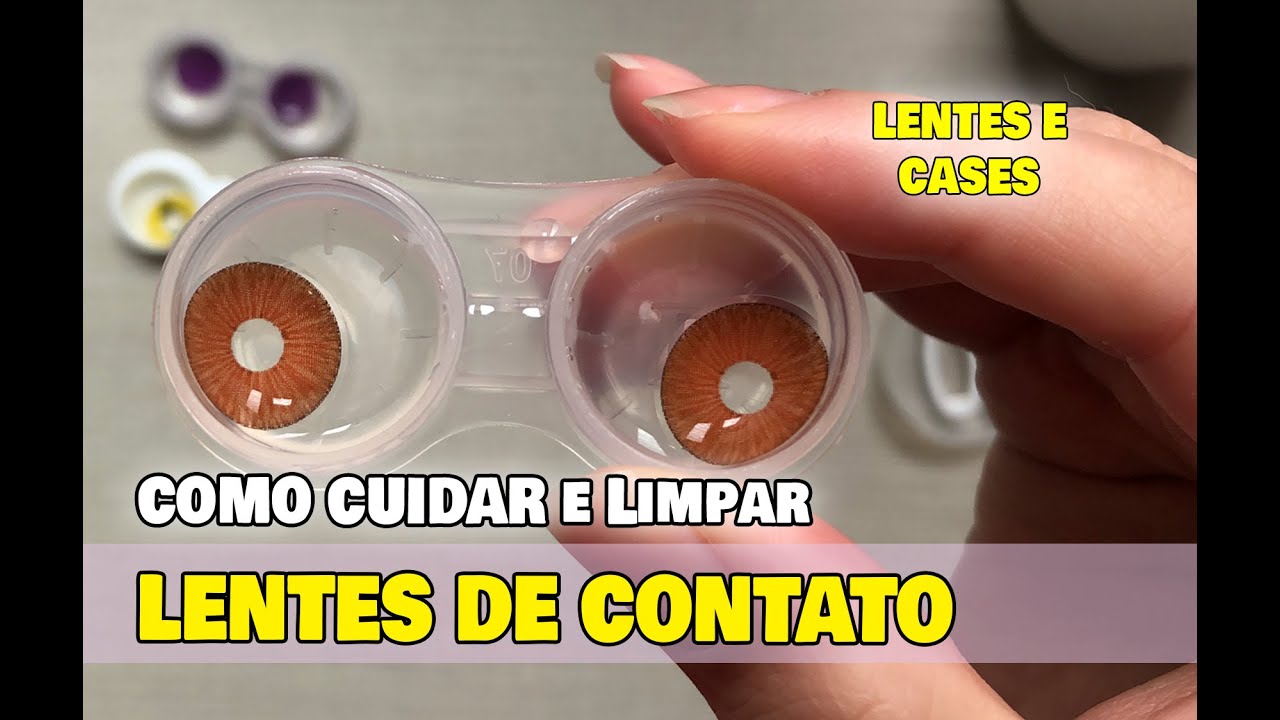
- Uncomfortable contact lenses: Ignoring sanitization or usage time. Solution: Always wash your hands and use the specific solution before touching your eyes. Watch the official guide to avoid injuries:
- "Dirty" or patchy contour: Applying powder over damp foundation without setting. Solution: Set the foundation with a translucent powder before starting the powder contour.
Planning the Identities: Choosing the Contrast
Before touching the brushes, define the contrast. Will you seek a duality of colors (e.g., warm vs. cold) or structure (e.g., masculine vs. feminine features)? The asymmetric contouring will be dictated by this choice. For a "two identities" look, I recommend dividing the face following the natural line of the nasal septum and the center of the chin.
If your intention is a character with a "monstrous" or "digital" half, use the Sad/Glitch Expressions techniques on one side of the face, keeping the other side with a standard human aesthetic. Remember: the secret to visual impact is not just in the difference, but in the precision with which the change occurs exactly on the midline.
Asymmetric Contouring Technique: Structuring the Face
The asymmetric contouring requires you to treat the two halves of the face as if they were faces of different people.
Step-by-step
- Central Demarcation: Use a white eyeliner pencil to draw a precise vertical line dividing the face in half. This will be your "no-cross" guide.
- Foundation Application: Apply foundation to the entire face, ensuring full coverage. If the identities require different skin tones, apply light foundation on one side and a more tanned or pale foundation on the other.
- Cheekbone Sculpting: On one side, apply the contour in an upward angle (Bayonetta style), and on the other side, apply it in a more rounded and soft way to create volume.
- Jawline Definition: Use a darker stick contour to sculpt the jaw on one side, leaving the other more natural or minimized.
- Setting: Use a translucent powder by pressing with a sponge (do not drag) to ensure that the colors do not mix on the dividing line.
Checkpoint: At this point, when looking in the mirror, the left half should look structurally distinct from the right half, without any smudges crossing the center line you drew. If there are blurs, clean them with a cotton swab dipped in bifasic makeup remover before proceeding.

Anatomy and Light: The Study of Halves
For the asymmetric contour to work, you must map the shadow and light areas of each identity individually before application. The 'aggressive' or 'masculine' side requires angular features, using cool-toned powder contour to create depth in the temples and jawline. The 'soft' or 'feminine' side focuses on rounded shapes and strategic lighting, using shimmering highlighters to project volume. The transition on the center line should be 'blended' or 'cut' depending on the character's aesthetic (e.g., a sharp cut line for glitch effects, or a gradient for organic fusions).
Application and Selection of Different Contact Lenses
Cosplay contact lenses are the final element that consolidates the "two identities." When choosing, consider opacity. High-opacity lenses cover the natural eye color better, ensuring the necessary dramatic effect.
Safe application step-by-step
- Lens Sanitization: Remove the lens from the case with silicone-tipped tweezers. Never use metal tweezers.
- Integrity Verification: Observe if the edge of the lens is smooth. If there is any micro-tear, discard it immediately — the risk of corneal abrasion is not worth the cosplay.
- Application: With the mirror at eye level, pull the lower eyelid down, look up, and place the lens delicately on the sclera (the white part).
- Accommodation: Blink gently so the lens centers on the iris.
Checkpoint: The lenses should be perfectly centered. If you feel any sensation of a foreign body or blurred vision, remove it, clean it with solution, and try again. Never force the lens if there is pain. Watch the starter video so you don't make mistakes: 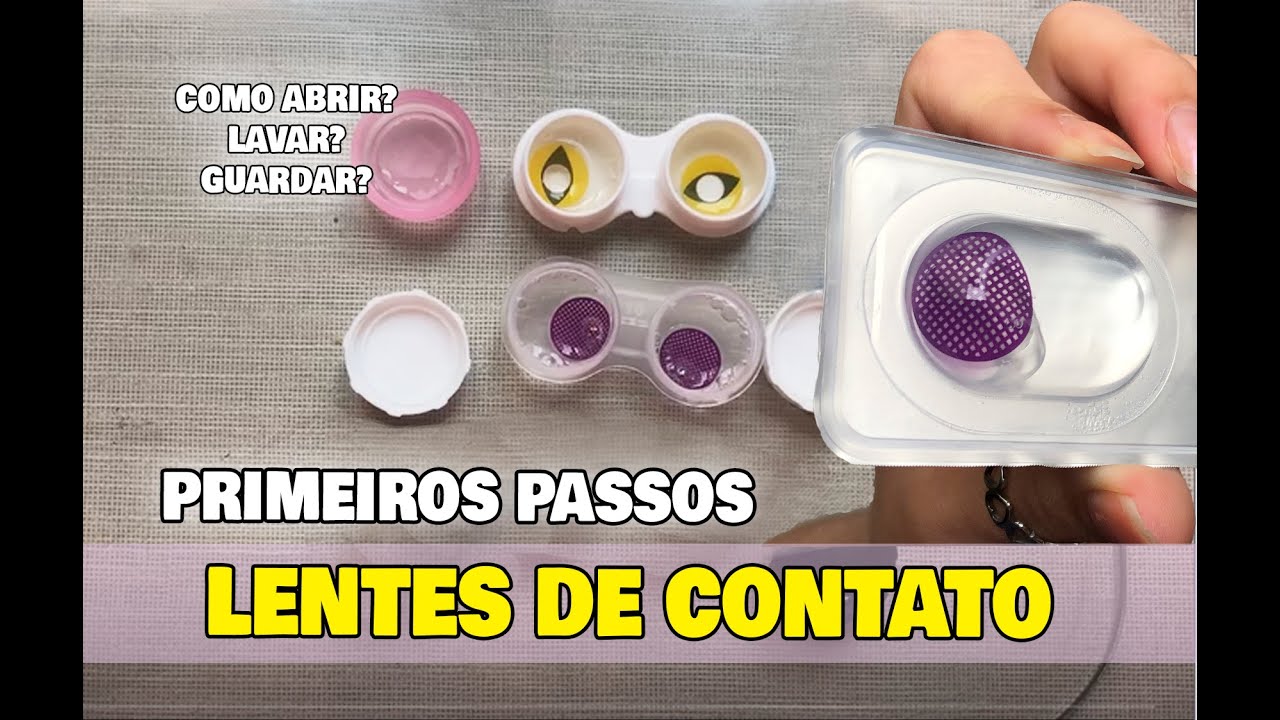
Finishing and Lighting for Dramatic Effect
To finish your transformation makeup, the highlight must be applied selectively. On the more "aggressive" or "cold" side of your asymmetric contour, use a highlighter with a cool or bluish background. On the more "soft" or "human" side, opt for champagne or gold tones.
The transition between these highlighters should be done with a fan brush, applying in light taps on the top of the cheekbones and the cupid's bow. Don't forget to apply a makeup setting spray all over the face at a distance of 20 to 30 centimeters to ensure the central division remains intact throughout the event or photo session.
Post-Use Care and Safe Removal
Removing high-complexity makeup requires patience. Start by removing the contact lenses with clean hands, using the pinch method (index finger and thumb) to slide the lens slightly down before removing it.
Clean your face with a high-power cleansing oil or makeup-removing balm. Heavy contouring, especially if done with waterproof products, can clog pores if not removed correctly. After cleaning, hydrate the skin deeply, as the application of several layers of products can dehydrate the dermis. Store your lenses in the case with fresh solution; never reuse the old solution, as it loses its disinfection effectiveness after use.
By following this guide, you will be ready to execute a high-technical-level look, ensuring not only a visually stunning result but also the integrity of your ocular health and skin. Practice makes perfect, so don't be afraid to test different contour combinations and lens colors before the big day. Master the duality and transform your presence at the event with confidence and safety.