Visual Reading and Character Deconstruction
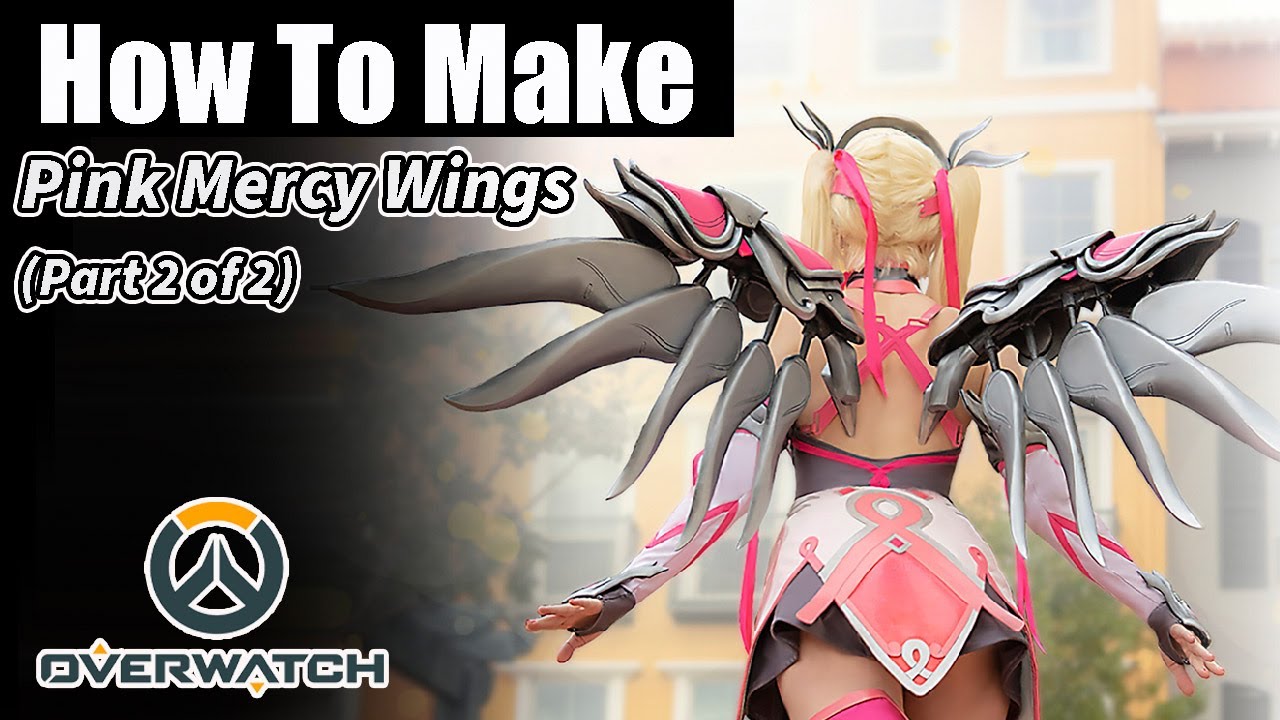
When creating cosplay wings for angelic or magical characters, the first step is not to choose the material, but to analyze the visual "soul" of the design. Most of these characters, like Auriel from Diablo or Mercy from Overwatch, have wings that are not just mechanical appendages, but extensions of their magic. The silhouette is usually vast and arched, projecting upward and outward to create an imposing presence. The predominant color tends to be white, but the visual tricks lie in the mid-tones: bluish grays at the roots to give depth, golden or pinkish tones at the edges to simulate celestial light, and, crucially, areas of transparency that suggest fragility and purity.
The material suggested by the design must speak the same language as the character. If the design has sharp lines and perfect geometry, translucent acrylic is the ideal choice, as it offers clean cuts and structural rigidity. On the other hand, if the wings have organic feathers, irregular textures, or a fluid shape that seems to be melting or magically manifesting, epoxy resin is superior. The resin allows you to capture micro-textures and create a liquid glass effect that rigid acrylic cannot replicate.
Lighting is the factor that elevates the project from "beautiful" to "divine". Prop lighting in these cases should not just be a point of light, but a diffuse glow that runs through the veins or ribs of the wings. In magical characters, the light usually emanates from the inside out, suggesting that power flows from the cosplayer's body to the tips of the wings. This dictates not only the position of the LEDs, but also the thickness and opacity of the material you choose.

When observing Auriel's wings in the tutorial above, note how the internal structure needs to be robust to support the size, but the surface needs to be delicate to convey the sensation of serenity. The balance between weight and visuals is the key for the cosplayer to be able to wear the piece for hours without getting tired, maintaining the upright and majestic posture required by the character.
Priority Pieces to Get Right First
To sell the illusion of a celestial being, the hierarchy of importance starts with the central structure or "ribs" of the wings. This is where the viewer's eye is naturally drawn first. These pieces define the architecture of the wing and need to be perfectly symmetrical. If the ribs are crooked or asymmetrical, the rest of the work will look amateur. They also serve as the skeleton where the LEDs will be mounted, so any mistake here will directly affect the efficiency of the light.
The second priority is the diffusion of light. It is not enough to have bright LEDs; if the material is too transparent, you will see the individual points of light (the "light dot" effect), which breaks immersion. If it is too opaque, the light will not pass through. Mastering acrylic painting or resin dyeing to create areas of greater and lesser diffusion is essential. You need to create a gradient where the base is more opaque and the tips are translucent, guiding the eye and the light outward.
The body connection interface is the third critical point. Unlike hand-held props, wings are worn on the back and the cosplayer cannot see or adjust them easily. The fastening system must be invisible and comfortable, distributing the weight to the hips, not just the shoulders. If the wing "hangs" from the shoulders, the cosplayer's shoulders will drop, destroying the heroic posture. The internal support needs to be an extension of your own spine, rigid enough to keep the wings raised, but with a hinge system that allows passing through doors.
Practical Adaptation for a Wearable Build
Translating a 2D or CGI design into a wearable epoxy resin or acrylic requires engineering compromises. The biggest challenge is weight. Thick acrylic is heavy; solid resin is heavy. For characters with large wings, the recommended strategy is to create "hollow" wings or use a wire or EVA structure coated with thin layers of resin. This maintains the "magic crystal" look without the weight of a solid block of glass.
Ventilation is another factor. If you cover your entire back with solid material and LEDs, you will cook. The design must allow air circulation between the body and the wing. This can be done by creating a spacer between the wing and the harness, or by leaving strategic openings at the bottom of the wing, near the ribs, where light exits and air enters.
For the electrical part, wire management is vital. Nothing breaks the magical illusion more than seeing a battery hanging around the neck or black wires running over the white outfit. The cosplay LED should be powered by battery(ies) hidden in a fake pocket, in the waistband, or even integrated into a decorative belt of the character. Use wires the same color as the wing (usually white or silver) and paint them so they blend in with the ribs.
Materials and Execution Strategy
The choice between acrylic and resin defines your entire construction approach.
Route 1: Translucent Acrylic
This is the route for clean geometries and precise cuts.
- Materials: 2mm to 3mm translucent acrylic sheets (thicker thicknesses get heavy), hole saw or laser cutter, wet sandpaper (grits 400 to 1000), cyanoacrylate glue or fast-curing epoxy, heat source (torch or hair dryer) for gentle forming.
- Technique: Acrylic can be heated (about 150°C to 160°C) and bent over forms to create curvatures. It is a material fragile to impact, but rigid. Lighting is done by gluing LED strips on the edge or creating channels on the surface with a Dremel bit to embed the wires.
- Advantage: Instant polished finish, does not require complex molding.
- Disadvantage: Difficult to create complex organic forms without cracking.
Route 2: Resin Casting
This is the route for magical, organic, or detailed wings.
- Materials: High transparency epoxy resin (e.g., Ecopoxy or craft-specific resin) or UV resin for small parts, silicone for molding (if sculpting a master form first), translucent dyes, release agent, plastic or silicone containers.
- Technique: You generally create a silicone mold from an EVA or clay sculpture. Resin casting involves mixing the resin and catalyst (strictly following the ratio, usually 2:1 or 1:1 depending on the brand), adding dye and pouring. For hollow wings, the "slush casting" technique (pouring resin, rotating the mold to coat the walls and pouring out the excess) is vital to reduce weight.
- Advantage: Premium crystal visual, total design freedom.
- Disadvantage: Higher cost, long curing time, need for PPE (Personal Protective Equipment).
Common Electrical Components:
- COB LED strips (chip on board tape) are better than 3528 LEDs for diffusion because they have no visible light points.
- LED controller to allow brightness adjustment or "breathing" effects.
- Compact Power Bank battery (5V/2A is sufficient for standard LED strips).
Budget Table and Estimated Cost
Building high-level illuminated props varies drastically depending on size and choice of materials. Below, we compare an Economical approach (hard DIY) versus a Premium approach.
| Item | Economical (Focus on Acrylic/Manual) | Premium (Focus on Resin/Electrical) |
| :--- | :--- | :--- |
| Structural Material | 3mm Acrylic hand-cut or rigid EVA + Fiberglass Resin (Cheap) | Laser Cut Acrylic Sheets or Premium Epoxy Resin + Silicone for Mold (High Cost) |
| Lighting | 3528 LED strips (cheap) + basic 9V battery | COB or Digital (Addressable) LED strips + Wi-Fi/Bluetooth Controller + Slim Power Bank |
| Paint/Finish | Common spray paints + Glossy acrylic varnish | Oil paints or specific pigments for resin + Anti-yellowing polyurethane varnish |
| Tools | Cutter, Sandpaper, Contact glue (Low investment) | Dremel, Hole saw, Heat gun, Precision gauges (High investment) |
| Total Estimated Cost (BRL) | R$ 250.00 - R$ 450.00 | R$ 700.00 - R$ 1,500.00+ |
Tip: If this is your first time making magic wings, start with the Economical version using EVA and cellophane paper or thin acrylic. Mistakes in the Premium version are very expensive.
Common Mistakes and Solutions
Building translucent cosplay wings is full of pitfalls. Here are the three most frequent mistakes and how to avoid them:
-
Visible Light Points ("Dotting" Effect):
- The Problem: Placing the LED strip directly behind the acrylic or resin without diffusion, making each small LED look like a separate Christmas candle instead of a continuous light.
- The Solution: Use wet sandpaper (grit 600 or 800) on the inner part of the acrylic to make it matte, which spreads the light. Alternatively, glue a piece of parchment paper or tracing paper between the LED and the acrylic. For resin, mix a pinch of opaque white dye into the resin that will be used directly over the LEDs (diffusion layer) and keep the outer layers transparent.
-
Excessive Weight on the Back:
- The Problem: Using solid resin 1cm thick or 5mm acrylic. The result is a prop that pulls the cosplayer backward, causing back pain after 15 minutes.
- The Solution: Go for "Hollow Cast". For acrylic, use 2mm or 3mm sheets and create support ribs on the edge ("L" or "T" profile) to give rigidity without adding mass to the center of the wing.
-
Yellowing of the Material:
- The Problem: Low-quality epoxy resins or cheap acrylics yellow over time, especially under the continuous heat of LEDs, turning white wings into old parchment wings.
- The Solution: Buy "Non-Yellowing" certified resin and high UV stability. Use high color temperature LEDs (Cool White, 6000K+) instead of Warm White, as the yellow heat accelerates the chemical yellowing of the plastic/resin.
Safety and Handling Considerations
When working with synthetic materials and lighting, safety is a priority.
- Resin and Chemicals: Resin molding releases fumes that can irritate the lungs and skin. Always work in a well-ventilated area (preferably outdoors) and use a respirator mask with organic vapor filters (P2 filter or higher). Nitrile gloves are mandatory to prevent contact dermatitis.
- Cutting and Sanding: Cutting acrylic generates fine dust and sharp shards. Use safety glasses to prevent fragments from hitting your eyes. When sanding or polishing acrylic, excessive heat can melt the material onto the sandpaper and release smoke; keep the piece moving and use a dust mask.
- Electrical and Batteries: Never leave lithium batteries charging unattended, especially if they are attached inside a foam or fabric prop. Overheating can cause fire. Use a fuse or current protector in the cosplay circuits to prevent a short circuit from burning the battery or causing shocks.

Step by Step: Building Acrylic and LED Wings
This section details the construction of lightweight and translucent wings using acrylic and embedded lighting.
-
Create the 2D Mold and Transfer: Draw the wing shape at full size on paper. Cut out and test the silhouette on your back. Adjust until symmetry and size are perfect. Place the drawing over the translucent acrylic sheet and use masking tape to secure it. With a scribe or craft knife, transfer the outline to the acrylic's protective plastic.
-
Cutting the Acrylic: Use a jigsaw or, if you have access, a laser cutter. If cutting manually, go slowly and keep the blade cool to avoid melting the edges. Checkpoint: The cut piece must have smooth edges, without large chips, and fit perfectly with the original drawing.
-
Creation of Light Channels: Using a small spherical burr on a Dremel (medium speed), create shallow channels (about 1mm deep) following the "veins" of the wing design. These channels will hide the wires and allow light to shine through the acrylic surface instead of just from the edge. Checkpoint: The LED strip must fit comfortably inside the channel without protruding above the wing surface.
-
Installation and Fixing of Electronics: Glue the COB LED strip into the created channels. Run the connection wires towards the central base of the wing, using low-temperature hot glue to hold them in place. Ensure the LED polarity (+ and -) is correct. Use a bit of wet sandpaper on the top of the channel (over the LED) to increase diffusion. Checkpoint: Temporarily connect to the battery. The light should spread evenly along the channel, without dark spots between the LEDs.
-
Camouflaging Wires and Painting: At the central base of the wing, where all wires meet, create a cover box with EVA foam or more acrylic to hide the electrical mess. To add texture, use white or character-color translucent acrylic paint. Apply with a sponge using "stenciling" motions on the feather edges, leaving the center cleaner. Checkpoint: The wing should look like a solid piece of colored glass; no wire or electronic component should be visible from the front.
-
Harness Assembly (Support): Build a rigid support using PVC or wood in an "H" shape or a back plate. Screw or glue the wings firmly to this plate. Add a waist strap that transfers the weight of the wings to your hips. Checkpoint: Wearing the harness, the wings should stay firm on the back without swinging excessively and you should be able to jump without them sliding down.
Step by Step: Epoxy Resin Wing Molding
For those seeking the organic look of epoxy resin, follow this molding process.
-
Master Shape Sculpture: Use high-density EVA foam or clay to sculpt the perfect wing. For magical wings, make the surface as smooth as possible. This will be the positive form. Checkpoint: Symmetry must be validated with a mirror before proceeding; apply a layer of acrylic plaster or sealer varnish to seal the material's pores.
-
Silicone Mold Manufacturing: Build a wooden or acrylic box around your sculpted wing. Mix the molding silicone (following the weight ratio indicated by the manufacturer, usually 10:1) and pour over the wing, covering it completely. Let cure for 24 hours. Checkpoint: The silicone must be completely dry to the touch and elastic; remove the box and the master shape carefully.
-
Hollow Casting (Slush Casting): Close the silicone mold with tape or clamps. Mix the epoxy resin and the hardener. Add translucent dye (very little, drop by drop). Pour a generous amount inside the mold and rotate the mold in all directions for about 5 to 10 minutes, forcing the resin to cover all internal walls. Checkpoint: After the resin starts to thicken (gel time), turn the mold upside down to let the excess drain out. The goal is a thin, even shell.
-
Insertion of LEDs (Pre-Cure or Post-Cure): There are two ways. The safest is to create a wire core with the LEDs already attached and position it inside the mold before pouring the resin (using a solid casting technique around the wires) or to glue the LEDs to the inside of the resin shell after demolding. For maximum translucency, gluing on the outside with UV resin is better. Checkpoint: Test the LEDs before sealing. If using resin over the LEDs, ensure that the curing heat does not damage them (UV resins get very hot).
-
Finishing and Polishing: When removing the piece from the mold, it may have a matte surface. Use wet sandpaper starting at 400 grit up to 2000, followed by plastic polishing paste to restore the glass-like shine. Checkpoint: The surface should feel invisible to the touch, like polished crystal, without scratches.

The Frieren earring tutorial, although for a smaller piece, perfectly demonstrates how to handle UV resin and translucency in fine details, a technique that can be scaled up for larger wings if worked in sections.
Conclusion and Final Inspiration
Creating cosplay wings with light effects is a journey that requires patience and precision. Whether opting for the modern rigidity of acrylic or the organic fluidity of resin, the final result will bring a unique presence to your character. Remember that the magic is in the details: how the light diffuses at the edges, the perfect symmetry of the veins, and the discreteness of the support. With practice, you won't just be wearing a costume, but manifesting the art of being divine.

Below, we have prepared a detailed comparison of the mentioned materials and a list of frequent errors to help you avoid setbacks during construction.
Comparative Material Table
Choosing the right material is half the path to success. This table highlights the fundamental differences between the most popular options for illuminated wings.
| Characteristic | Acrylic (Plexiglass) | Resin (Epoxy/Polyester) | EVA (Foam) with LED |
| :--- | :--- | :--- | :--- |
| Rigidity | Very high, maintains perfect shape. | High, but can warp if too thin. | Flexible, requires internal structure (wire). |
| Light Diffusion | Excellent on edges (edge-lit effect). | Good total diffusion, especially with milky pigments. | Poor, requires white paint or a translucent layer. |
| Weight | Heavy; can overload the shoulder. | Moderate; depends on thickness. | Light; ideal for long hours of wear. |
| Cutting Difficulty | High (requires hole saw and wet sanding). | Medium (requires molds and care with chemicals). | Low (cutter and scissors). |
| Cost | Medium to High. | High (resin is expensive). | Low. |
| Indicated for | Mechanical wings, tech angels, light beams. | Organic wings, fairies, glowing insects. | Beginner cosplayers, large and light wings. |
Common Errors and Troubleshooting
Even experienced cosplayers face challenges. Here are the most recurring problems and how to fix them before they ruin your work.
1. Hotspots in Lighting
The Problem: You can see exactly where the LED is positioned, creating a bright spot of light surrounded by darkness, instead of an even glow.
The Solution: Increase the distance between the LED and the visible surface. Use a diffuser, such as parchment paper, frosted acetate, or a layer of white EVA foam behind the translucent material. If using resin, add opaque white pigment or glass microbeads to disperse the light.
2. Visible Wires and Lack of Mobility
The Problem: The battery cables hang or stretch when you move your arms, risking pulling the solder.
The Solution: Create a "skeleton" of wires slightly longer than the distance between the battery and the wing (creating slack). Use heat shrink tubing or decorative insulating tape to hide the wires along the wing veins. Secure the battery firmly to a belt or shoulder strap, never on the wing itself if it is too heavy.
3. Battery Drain at the Event
The Problem: Wings shine brightly at the beginning of the convention, but the light becomes dim or turns off completely after a few hours.
The Solution: Test the battery duration before the event with all LEDs on. Always carry charged replacement batteries. If possible, install an easy-to-reach switch to turn off the lights during lines or photo breaks, preserving energy.
4. Breakage or Cracking During Transport
The Problem: Acrylic and resin are fragile materials that can crack if stored pressed in tight suitcases.
The Solution: Disassemble the wings if the structure allows. Use rigid boxes with packaging foam cut in the exact shape of the piece. If disassembly is not possible, wrap the wing tips with bubble wrap and transport them manually or in a dedicated support on your back.
We hope this guide serves as the foundation for your next epic creation. Now that you master the techniques, materials, and basic electronics, you just need to pick up your tools and bring to life that vision that exists in your imagination.
Estimated Budget
| Item | Price range | Source |
| --- | --- | --- |
| Chapa de Acrílico Translúcido (2-3mm) | $10.00 - $30.00 | Estimated FX |
| Resina Epóxi ou UV + Catalisador/Hardener | $16.00 - $50.00 | Estimated FX |
| Silicone para Moldagem (1kg) | $12.00 - $24.00 | Estimated FX |
| Fitas de LED (Endereçáveis ou Analógicas) | $6.00 - $18.00 | Estimated FX |
| Bateria Recarregável (Power Bank pequeno) | $8.00 - $20.00 | Estimated FX |
| Controlador de LED e Fios | $4.00 - $10.00 | Estimated FX |
| Tintas Translúcidas/Cosmeéticos para Resina | $6.00 - $16.00 | Estimated FX |
Estimated conversion based on a reference FX rate; local retail prices may differ.